Key Takeaway: Yes, solar control glass is worth the investment if your property has large rooflights, sliding glass doors, or south/west-facing glazing that receives prolonged direct sunlight. While it carries a slight cost premium over standard low-e glass, it prevents severe summer overheating, protects furniture from UV fading, and significantly reduces the need for expensive air conditioning. However, for heavily shaded or small north-facing windows, standard glazing is usually sufficient.
Solar Control Glass is an innovative way to regulate heat gain from sunlight while maintaining a pleasant indoor environment. It acts as a shield, selectively filtering out the sun’s harmful rays and reducing the need for excessive air conditioning.
Striking a balance between harnessing natural light and minimising heat gain through advanced technologies and clever design features, solar control glass allows us to enjoy bright and sunlit spaces without the uncomfortable heat that often accompanies it.
What is the Extra Cost of Solar Control Glass?
There is often an additional cost to solar control glass, and this varies depending on pane size and the overall glazing system; it is typically a premium upgrade when compared with standard glass specifications like double glazing because of the additional coating technology required.
However, the additional cost quickly pays for itself in energy savings, as the reliance on expensive artificial cooling systems is significantly reduced, providing a passive, cost-effective method to comply with UK Building Regulations Approved Document O (Overheating) in new builds and major renovations.
When is Solar Control Glass NOT Worth It?
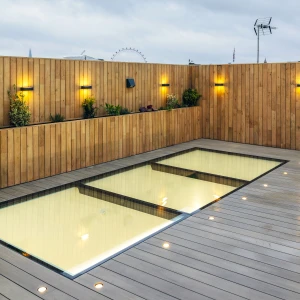
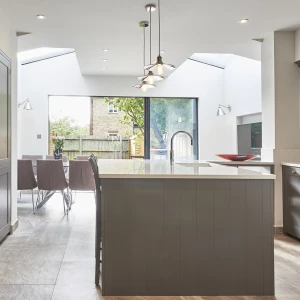
Solar Control Glass is undeniably useful for large areas of glazing or south facing plots, but smaller units typically do not require the upgrade, as they are not subject to as much solar gain.
Extra consideration should be taken when choosing whether to specify the glass in a cold climate or in a property that relies on solar gain through the winter to bring much needed heat to a room. Solar control glass blocks a portion of incoming solar heat, so in cooler regions or winter months, trapping "free" solar heat through the glass helps warm the home naturally; blocking it can unnecessarily increase heating loads.
Standard Low-E Glass vs. Solar Control Glass: What’s the Difference?
While both options feature microscopic, transparent metal oxide coatings, they control heat travelling in opposite directions:
Standard Low-Emissivity (Low-E) Glass: Designed primarily to prevent radiant heat loss. It acts like an interior thermal mirror, bouncing room warmth back into the building to lower winter heating bills.
Solar Control Glass: Incorporates low-e properties to keep winter warmth inside, but adds an outer reflective coating designed to deflect shortwave infrared heat away from the building exterior.
Crucial Difference: If your primary objective is to keep an overhead room cool in summer, standard low-e glass alone will not solve the issue. Low-e glass actually traps solar heat once it enters the room. You must specify solar control glass to deflect the heat before it crosses the envelope.
Technical Consideration: Thermal Stress and Toughened Glass
It is important to consider not only the solar heat passing through the glass but also the effect of solar absorption. Differential thermal stress caused by uneven heating can lead to cracking. Solar Control Glass naturally absorbs more heat than other types of glass. During spring and autumn, the lower position of the sun concentrates more solar energy on the glass panes, while the edges cool more quickly due to greater temperature differences between day and night. This creates temperature differentials across the pane. Using toughened or heat-strengthened glass mitigates this issue, as it avoids thermal stress concerns. Most glass manufacturers offer a thermal stress analysis form that can assist in assessing the risk.
The 4 Main ROI Benefits of Solar Control Glass
1.Indoor Comfort:
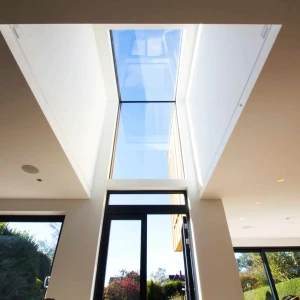
As scorching summers continue to sweep the UK, the comfort of occupants during particularly hot days needs to be factored in at specification stage. By significantly limiting heat penetration, solar control glass mitigates the impact of the sun's rays, ensuring a cool and pleasant ambiance beneath your rooflights.
2. Enhanced Energy Efficiency & Cost Savings:
By curtailing excessive heat gain experienced through large expanses of glazing, the advanced coating on Solar Control Glass reduces the need for air conditioning systems, resulting in substantial energy savings, which reduces your environmental impact and utility expenses.
3. UV Ray Protection:
In addition to reducing solar gain, the specialised coating also acts as a barrier between the sun and the inside of your home, which significantly reduces the transmission of harmful ultraviolet (UV) rays. If your rooflight is installed above expensive furnishings or precious artworks, Solar Control Glass can minimise discoloration caused by prolonged UV exposure.
4. Minimised Glare for Optimal Visual Comfort:
Excessive glare can be a hindrance, particularly during the sun-drenched summer months. Solar Control Glass combats this issue by selectively filtering intense sunlight, providing a more visually comfortable experience. Whether you are working on a computer, watching TV, or simply unwinding with a book, glass rooflights with Solar Control Glass enable you to enjoy optimal visibility while minimising glare.
Ready to Specify the Right Glass for Your Project?
Balancing light transmission (LT values) against solar heat gain (g-values) depends entirely on your roof pitch, room volume, and building orientation.
Our technical specification team can run thermal stress calculations and advise on the ideal glass specification for your project. Contact Glazing Vision today to speak with a technical sales manager.