- News and Insights
- Home
- Home
- News and Insights
- What Is the Correct Rooflight Pitch for a Flat ...
Why Rooflight Pitch Matters for Flat Roof Rooflights
Key takeaway: Choosing the correct rooflight pitch is essential for ensuring effective water drainage, reducing the risk of ponding and maintaining the long-term appearance of a flat roof rooflight. For most standard flat roof rooflights, Glazing Vision recommends a 5° pitch to help rainwater run off efficiently, although the correct pitch will always depend on the specific product and application.
When specifying a rooflight for a flat roof, the focus is often on natural daylight, thermal performance and aesthetics. However, one important design consideration that can sometimes be overlooked is the pitch of the rooflight.
Although installed on a flat roof, a rooflight should not sit completely level. For most standard flat roof rooflights, Glazing Vision recommends a pitch of 5°, as this helps rainwater drain away effectively and reduces the likelihood of standing water remaining on the glazing. Different products may have different requirements, so it is always important to follow the relevant installation guidance.
Why Rooflight Pitch Is Important
Unlike a traditional window, a rooflight sits almost horizontally, meaning rainwater does not run off the surface as quickly. Without sufficient pitch, water can remain on the glazing for longer periods, affecting both the appearance of the rooflight and the amount of maintenance it may require over time.
When water remains on the glass after rainfall, it can lead to ponding, the term used to describe standing water that collects on the surface of a rooflight. As the water evaporates, it can leave behind mineral deposits and dirt, making the glazing appear less clear and increasing the need for cleaning.
Over time, ponding can contribute to:
· Dirt and debris build-up
· Increased cleaning requirements
· Water marks and staining
· A rooflight that appears less clear and attractive over time
By installing a rooflight with the correct pitch, rainwater can run off more quickly, helping to maintain a cleaner appearance while reducing ongoing maintenance.
What Is the Recommended Pitch for a Flat Roof Rooflight?
The exact pitch required can vary depending on the rooflight application, roof design and product specification.
While a minimum pitch of 3° may be suitable for some flat roof rooflight installations, Glazing Vision recommends a 5° pitch for most standard flat roof rooflights. This recommendation is based on improving water run-off and reducing the likelihood of standing water collecting on the glazing. Always refer to the relevant product installation instructions and technical documentation for the recommended pitch for your chosen rooflight.
A 5° pitch helps rainwater drain away more effectively, reducing the likelihood of ponding and helping the rooflight maintain a cleaner appearance over time.
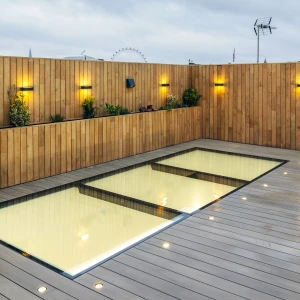
It is worth noting that different rooflight applications may require different pitch considerations. For example, Glazing Vision recommends a pitch of 1° for its walk-on rooflights, subject to the specific installation guidance for the product.
Unlike standard flat roof rooflights, walk-on rooflights are designed to be integrated into areas where people can safely walk across the glazing. A steeper pitch would create a more noticeable slope underfoot, so a lower pitch helps balance usability with effective water run-off. The shallower pitch can increase the likelihood of ponding, which may lead to staining or a build-up of dirt on the glazing over time. However, because walk-on rooflights are specifically designed to be safely accessed on foot, they can be cleaned more easily and more frequently, helping to maintain their appearance.
How is rooflight pitch achieved?
Although the roof itself may be flat, the rooflight is typically installed on an upstand or builder's kerb, which raises it above the roof surface and creates the required pitch.
An upstand is the raised structure that supports the rooflight. It can be manufactured or constructed with a slight angle, allowing the rooflight to sit at the correct pitch while encouraging rainwater to drain away from the glazing more effectively. Ensuring the upstand is built to the correct specification is an important part of achieving the rooflight's intended performance.
For most Glazing Vision rooflights, the pitch built into the upstand should not exceed 5°. If a steeper angle is required, the additional pitch should be formed within the roof structure itself rather than by increasing the angle of the upstand. This is because, on products where the frame drops over the external faces of the kerb, an upstand pitched beyond 5° can cause the downleg of the rooflight frame to foul the front face of the upstand, preventing correct installation. (See diagram below)
Where a greater overall roof pitch is needed, the roof should be constructed to the required angle, with the upstand built perpendicular to the roof surface. This ensures the upstand heights remain equal while allowing the rooflight to fit correctly and perform as intended.
Rooflight pitch may seem like a small design detail, but it can have a significant impact on how a rooflight performs and looks over time. By specifying the correct pitch for the application, you can improve water run-off, reduce maintenance requirements and help maintain the appearance of the glazing for years to come.
Frequently asked questions:
What is the recommended pitch for a flat roof rooflight?
For most standard flat roof rooflights, Glazing Vision recommends installing the rooflight at a 5° pitch. This helps rainwater drain efficiently, reducing the risk of standing water, dirt build-up and staining. However, the correct pitch will depend on the specific product, so always refer to the relevant installation instructions.
Why can't a rooflight be installed completely flat?
A rooflight installed completely level is more likely to retain rainwater on the glazing surface. This standing water, known as ponding, can leave mineral deposits, attract dirt and increase maintenance requirements over time. Adding a slight pitch encourages water to run off naturally.
What is ponding on a rooflight?
Ponding is the accumulation of standing water on the surface of a rooflight after rainfall. As the water evaporates, it can leave behind dirt, debris and mineral deposits that reduce the clarity and appearance of the glazing.
Does rooflight pitch affect maintenance?
Yes. Installing a rooflight at the recommended pitch helps rainwater wash away dirt more effectively, reducing the likelihood of ponding, staining and debris build-up. This can help lower ongoing cleaning and maintenance requirements.
At Glazing Vision, we believe exceptional rooflight design goes beyond aesthetics. Performance, longevity and ease of maintenance are equally important considerations, helping ensure our rooflights continue to perform and look their best throughout their lifespan.
To learn more about the recommended installation requirements for your chosen rooflight, explore our product technical information or contact our technical team for expert guidance.