Retail design often poses an architectural dilemma: creating bright, welcoming spaces while leaving enough wall space for shelves and product displays. In the competitive world of retail, creating an inviting shopping environment is paramount.
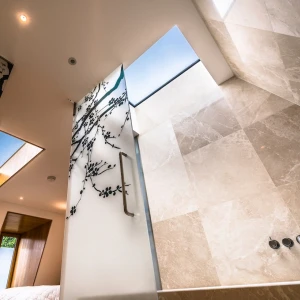
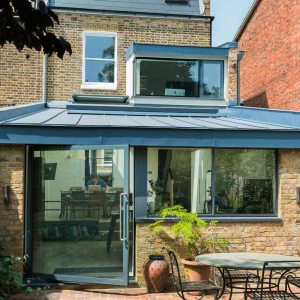
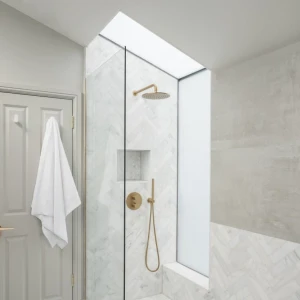
Floor-to-ceiling perimeter windows look great from the outside, but they eat away at display walls and introduce harsh, low-angle glare. Bringing daylight in from above completely changes the equation. By utilizing skylights, architects can flood deep floor plans with natural light while keeping every inch of perimeter wall open for merchandise.
The Wall Space Dilemma
Every retail client wants two things that usually compete with each other: maximum shelf capacity and an open and inviting atmosphere. Standard windows compromise both. When you fill outer walls with vertical glass, you lose space for visual merchandising and risk solar glare bleaching the merchandise, leading to lost stock and revenue. Overhead skylights solve this by isolating daylight strictly as an overhead light source. You get clean, balanced light across the central aisles, bypassing the glare and heat patches that come through standard side windows, without sacrificing a single display unit.
The Commercial ROI of Overhead Daylighting
A landmark study by the Heschong Mahone Group examined the direct link between skylights and retail performance across 108 nearly identical stores in a single retail chain, with 66% featuring skylights, and 34% without.
After accounting for store size, age, weekly hours, and regional demographics, the data revealed daylight as an exceptional driver of revenue.
The benefits of natural light in retail aren't just aesthetic; they are heavily tied to increased sales density:
The Single Strongest Design Variable: Beyond weekly operating hours, the presence of skylights was the single best predictor of higher sales per store across all variables evaluated.
A 40% Sales Uplift: On average, stores retrofitted with skylights saw an impressive percentage uplift in gross sales, averaging around 40% (with a probable range of 31% to 49% at a 99% statistical confidence interval).
Measurable Revenue per Square Foot: For a store averaging baseline sales of $2/sq ft, adding daylighting elevated performance to between around $2.61 and $2.98/sq ft.
Systemic Impact: The study calculated that retrofitting the remaining 33% of the chain's unlit locations would boost overall gross corporate sales by 11%, while moving from zero daylighting to 100% daylight coverage represented a 40% chain-wide revenue jump.
When daylighting directly influences the bottom line, it stops being an architectural luxury and becomes a core commercial asset.
Four Practical Principles for Specifying Retail Skylights
To deliver the best results without creating unintended heating or maintenance issues, keep these priorities in mind during design development:
1. True-to-Life Product Color
Artificial fluorescent and standard LED bulbs often cast an unnatural tint, making produce look tired and fabrics appear dull. Sunlight provides completely balanced, full-spectrum light. Colors look vivid, true-to-life, and appealing to shoppers without needing oversaturated spotlighting.
2. Smart Daylight Harvesting
Skylights should actively coordinate with the building's electrical setup. By specifying automated light sensors, the building can monitor incoming sunlight and dim or switch off primary electric lights whenever natural daylight meets target levels. This keeps running costs low and extends the lifespan of interior fixtures.
3. Solar Control & Thermal Performance
Daylight must not turn the retail floor into an oven. Always specify high-performance solar-control glass that reflects excess solar heat while letting useful visual light pour through. This keeps shoppers comfortable and prevents cooling systems from working overtime in peak summer months.
4. Walk-On Durability for Roof Maintenance
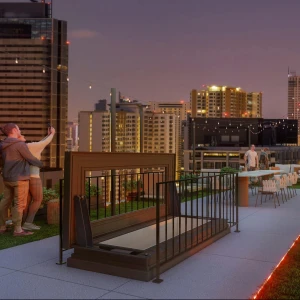
Retail roofs are busy service zones for air conditioning units and routine plant maintenance. Specifying certified, non-fragile skylights ensures the installation is safe for maintenance workers without requiring unsightly guardrails that ruin the building's exterior lines.
Tapping into the roof plane allows architects to solve retail's biggest design trade-off. By combining smart glazing specifications with overhead design, you can lower HVAC loads, protect essential display walls, and hand your clients a space proven to boost sales.
Specify High-Performance Daylighting
Ready to integrate high-performance daylighting into your next retail or commercial scheme?
Get in touch with our technical design team to discuss bespoke glass configurations, CAD/BIM objects, and specification support for your project.